
When it comes to making a delicious cup of coffee, the milk you use can make all the difference. Powdered milk offers key advantages in convenience, shelf-life, and economy over traditional liquid milk. Read on for a complete guide to picking the right powdered milk coffee creamer.
What is Powered Milk?
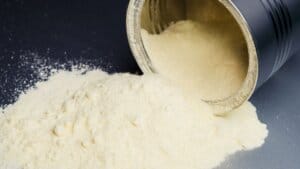
Powdered milk starts off as regular liquid milk that undergoes a dehydrating process to remove 97% of the moisture. What remains is a fine, dry powder that can be easily reconstituted by adding water when needed for use. Other common names for it include:
- Dry milk powder
- Dry whole milk
- Milk powder
- Instant dry milk
It lasts far longer than liquid milk and can be stored in pantries for emergency preparedness or everyday use. When buying for coffee, choose varieties labeled specifically as “Coffee Creamer” for the best flavor and mixability.
Benefits of Using Powdered Milk as a Coffee Creamer
Compared to liquid milk and non-dairy creamers, powdered milk offers some unique advantages:
- Long shelf life of 1-2 years when sealed
- Easy storage without refrigeration
- Lower cost per ounce
- Greater convenience for travel, camping
- Adds richness without changing coffee flavor
- Mixes smoothly into any temperature liquid
- Can be foamed for specialty coffee drinks
Keep these pros in mind when deciding which type of milk to stock for your coffee needs.
Key Factors in Choosing Powdered Milk for Coffee
With so many options on store shelves, choosing the right milk powder for your morning brew can get confusing. Keep these aspects in mind:
Taste When Reconstituted Avoid overly processed or artificial flavors. Seek out a fresh, clean dairy taste with a slight sweetness reminiscent of liquid milk.
Mixability
Particles should blend smoothly without clumping or foaming excessively. Maltodextrin or lecithin as ingredients can improve dispersion.
Color and Mouthfeel Most commercial coffee creamer powders contain additives for an ultra-white appearance and creamy texture. Consider instead options striving for a more natural off-white color and semi-skim milk consistency.
Origin and Processing U.S. graded varieties like USDA Extra Grade indicate careful quality control. Choose low heat pasteurized milk powders versus ultra-high temperature (UHT) that alters proteins.
Fat Percentage Experiment with whole milk powder versus skim milk varieties based on your preference for richness. Most coffee drinkers enjoy the flavor of full fat powdered milk. Those limiting calories may prefer 1% or skimmed milk powder.
Other Considerations Think about any desired certifications (organic, rBST-free, non-GMO), percent of recommended daily vitamins & minerals, special dietary needs accommodations like lactose-free, and preferred packaging.
Best Brands of Powdered Milk for Coffee
Here are the top powdered whole milk products optimized for coffee:
- Anthony’s Instant Milk Powder With only 5 ingredients including milk powder, cream powder, and lecithin, this all-natural powder provides a creamy texture. Reviewers report smooth mixing without any clumping or chemical aftertaste.
- Hoosier Hill Farm Whole Milk Powder Sourced from American farms, this protein-rich powder contains over 40% rBST-free fat by weight. It easily incorporates into any temperature coffee for optimal flavor.
- Peak Whole Milk Powder Backed by 50 years of perfecting their proprietary pasteurization process, Peak powder dissolves rapidly in coffee without foaming or bitterness. Their convenient vacuum-sealed pouches maximize freshness too.
- NESTLÉ NIDO Fortificada Powdered Milk A long beloved Latin American brand, this Colombian import offers a creamy mouthfeel and mellow sweetness. Many fans use the vitamin-enriched formula with coffee, tea, and other recipes calling for milk.
- Mt. Capra Goat Milk Whole Powder An interesting alternative, this powder made from whole goat milk contains no soy or common allergens. Expect a tangy, gently sweet profile that blends smoothly for those who can’t tolerate cow dairy.
Tips for Using Powdered Milk in Coffee Drinks
To properly leverage milk powder’s advantages, utilize these brewing tips:
- Reconstitute just before using for fresh flavor
- Use cool or warm water under 110°F to prevent clumping
- Thoroughly dissolve powder before adding
- Carefully heat after mixing to prevent curdling
- Add milk before sweeteners in coffee
- Shake cartons before scooping powder to remix separation
- Adjust powder-to-water ratios based on label guidance
- The store opened packages sealed at room temp up to 6 months
By following reconstitution instructions and experimenting with amounts to suit your taste, powdered milk can make coffee creamy and delicious.
Ways to Foam Powdered Milk for Coffee
While fresh dairy milk froths best, powdered milk can also be foamed, frothed, or steamed to top espresso drinks. Follow these steps:
- Mix powder with very hot but not boiling water till dissolved
- Let temperature lower closer to body temperature
- Pour into a chilled metal pitcher
- Use a milk frother, French press plunger, or electric mixer
- Blend in circular motions till froth forms
- Top cappuccinos and lattes immediately before deflating
Powdered milk microfoam won’t be as thick, but still nicely complements the flavor of espresso when prepared properly.
Powdered Milk Recipes
Beyond a simple addition to coffee or tea, milk powder offers culinary versatility too. Whip up these delicious ideas:
- Homemade hot chocolate mix
- Creamy white sauces for pasta or veggies
- Smoothies, milkshakes and ice cream
- Macaroni and cheese from scratch
- Powdered milk pancakes
- DIY condensed milk for desserts
Don’t limit powder to just coffee and tea. Unleash its possibilities for cooking and mixology too!
Troubleshooting Common Powdered Milk Issues
Occasionally powdered milk doesn’t mix or taste right. Here are some quick fixes:
Issue -> Solution Grainy texture -> Use cooler water for mixing Foaming excessively -> Blend more gently without introducing air Bitter taste -> Don’t overheat after adding to coffee Curdling in coffee-> Stir immediately upon pouring
Clumping in coffee -> Make sure fully dissolved before adding Watery consistency -> Adjust powder-to-water ratios
By tweaking your prep technique, powdered milk can perfectly substitute fresh milk in hot and cold coffee drinks. Keep the tips above in mind, choose a high-quality powdered brand optimized for coffee creaminess, and experiment with amounts to craft your perfect artisanal cup of joe.
Caffeinated Products